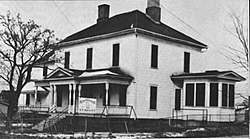
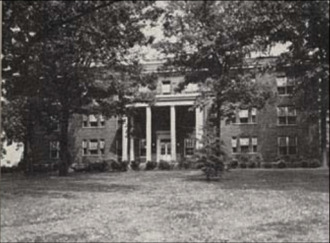
Lincoln Hospital in Durham, North Carolina is remembered for the important role it had in the regional health care system. From 1901 to 1976, Lincoln Hospital was the facility providing much of the medical care for Black residents, especially during the Jim Crow days of overt racial separation. Segregation left the Black population to suffer huge, unfair disparities in the quality of health care. They experienced many more chronic and infectious illnesses, and higher morbidity and mortality rates than White people. In those days, Durham supplied separate-but-not-equal medical care.
It was well-known in Durham that the Black community suffered disparities in health care availability and therefore had higher rates of many infectious diseases. There had been interest around 1900 to build a monument commemorating enslaved Black soldiers who fought for the Confederacy. Around the same time, Black civic leaders contacted the Duke family, saying that since White and Black people work together, the White population would benefit from better African American health. They recommended building a hospital for Black patients and suggested that this might even help to maintain segregation. The Duke family decided that building a hospital would be more advantageous than a monument and thus donated the funds to the project.
Lincoln Hospital officially opened in 1901 with a 50-bed inpatient unit. It was a triumph of two racial groups working together to improve public health for everyone in Durham. It immediately became a source of pride in the community. For a large part of the 1900s, Lincoln Hospital filled medical service gaps for Black patients and offered Black physicians a place to provide medical care. Besides city and county government financial support, other funds came from the Duke family, private institutions, some local organizations, and personal donations from individuals of both races.
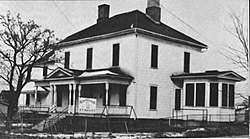
Other than the Duke University Health System, local White people commonly frequented Watts Hospital, while the Black population of this region mostly received health care at Lincoln Hospital, which provided services at no cost to patients. They offered a wide range of general hospital and outpatient clinic services, infectious disease treatment, health care education, and they greatly emphasized improving prenatal, maternal, and child health.
The Duke family remained permanent financial backers and provided political support for Lincoln Hospital for 75 more years. This included the funding of a newer, more permanent and enlarged Lincoln Hospital building in 1925. The Lincoln Hospital School of Nursing was added in those years, as was Allied Health Sciences education. In addition to the early investments in medical education, the programs benefited from a close affiliation to three Historically Black Colleges and Universities (HBCUs): North Carolina Central University in Durham, as well as Howard University (Washington DC), and Shaw University’s Leonard Medical School (Raleigh, North Carolina).
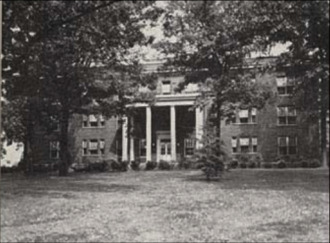
Connections with the medical schools at Duke University and the University of North Carolina at Chapel Hill continued to expand. Lincoln Hospital began to offer medical internships and various residency training programs, and it became a hub of continued medical education conferences. Partnerships for several medical sub-specialty areas were newly provided. The impact of the work in the community became evident. At this time, records suggest that the Black population’s public health goals were being met or had even better outcomes than those of the local community in general. To further meet the needs of the Black community, in 1952, a new in-patient structural wing was added.
As racial barriers began to slowly diminish with integration, especially after the Civil Rights Act of 1964, African Americans in this region often frequented many different facilities. This included the medical facilities at the University of North Carolina at Chapel Hill, just a few miles away. Many predominantly Black hospitals across the United States had been managing a disproportionate amount of uncompensated medical care. For some indigent persons, they became the hospitals of last resort, resulting in significant financial shortages. Nevertheless, neighborhoods, traditions, and social preferences were sustained, leaving racial divisions and separation in many areas, including health care at Lincoln Hospital.
Between 1973–1976, I had the privilege of being one of Lincoln Hospital’s last regular nighttime emergency physicians in the emergency department. It was busy, and it was frequently the case for me to be the only White person in the building. I was consistently well regarded and supported by the hospital staff.
In late 1976, a brand-new health care facility, the Durham County General Hospital, was built, which provided integrated service to everyone in this region. It was a modern facility, created partly to mitigate the legacy of racial segregation and provide more up-to-date medical care to the public. As the new building was about to be opened, I left North Carolina for a faculty position at the University of Louisville School of Medicine in Louisville, Kentucky.
Lincoln Hospital and Watts Hospital in Durham, North Carolina began to gradually alter their program offerings to non-acute medical care; these two facilities then no longer functioned as general hospitals. The Lincoln Community Health Center emerged as a successor offering outpatient services. The most recent physical building for Lincoln Hospital was demolished in 1983. Nevertheless, Lincoln Hospital provided a proud legacy of greatly having improved local health in this region, especially for Black communities in Durham and surrounding areas.
Acknowledgments
The author has no conflicts of interest to declare.